
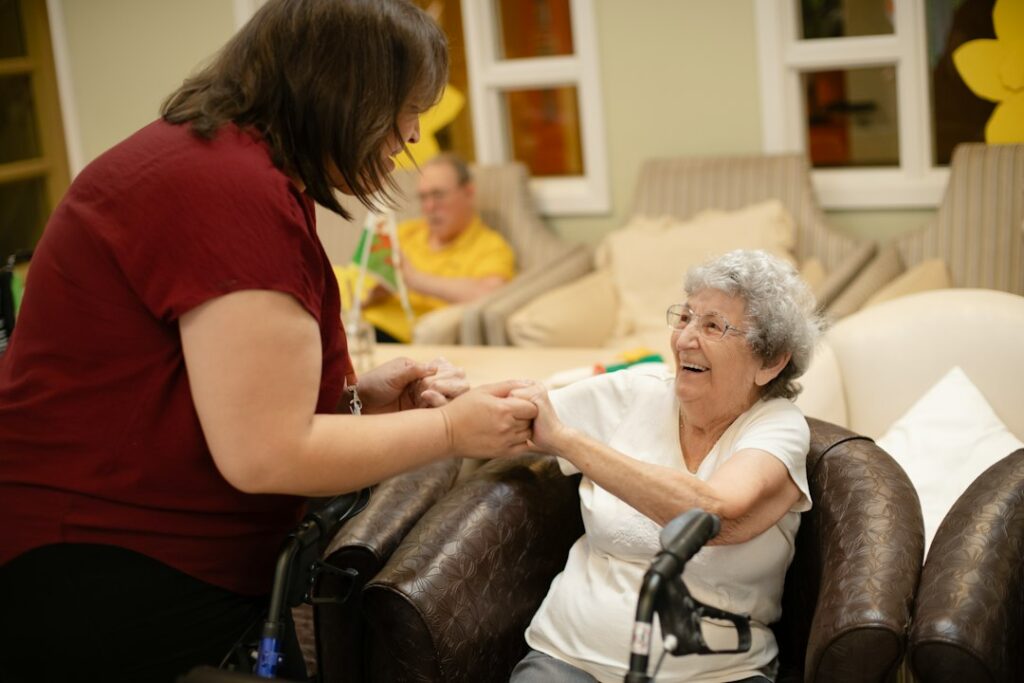
What does quality care look like in assisted living?
Quality assisted living care is visible in everyday details: residents are treated with respect, staff respond reliably, care plans reflect individual needs, and the residence communicates clearly with families. A clean building or attractive activity calendar may be helpful, but neither proves that residents receive consistent, person-centered support.
For families in Downingtown, PA, the most useful evaluation focuses on how the residence operates during ordinary routines, busy periods, emergencies, and changes in a resident’s health.
Are residents treated as individuals?
A high-quality residence recognizes that assisted living residents have different histories, preferences, abilities, and routines. Staff should know more than a resident’s room number or medication schedule.
Look for evidence that residents can make reasonable choices about:
- When to wake up, bathe, eat, or participate in activities
- Clothing, personal belongings, and room furnishings
- Visitors, privacy, and communication with family
- Food preferences, cultural practices, and daily routines
- Which activities feel meaningful rather than merely convenient
Individualized care should also appear in the resident’s assessment and service plan. The plan should describe the assistance needed with bathing, dressing, mobility, meals, medication support, and other daily tasks. It should be updated when the resident’s condition or preferences change.
A useful question is: “How do staff learn what matters to each resident, and how is that information shared across shifts?”
How can families evaluate staffing and responsiveness?
Staffing quality is not measured only by the number of employees listed on a brochure. Families should observe whether staff are available, attentive, and familiar with residents’ needs.
During a visit, notice whether:
- Call systems are answered promptly
- Residents appear clean, comfortable, and appropriately dressed
- Staff speak calmly and respectfully
- Employees know residents by name
- Meals, medications, and activities seem organized
- Common areas are supervised without feeling institutional
Ask how the residence handles overnight coverage, weekends, call-offs, and temporary staffing shortages. Also ask whether a licensed nurse is available on-site, on-call, or through another arrangement, and what happens if a resident falls, becomes confused, refuses medication, or needs urgent medical attention.
Pennsylvania distinguishes assisted living residences from personal care homes, and the two settings can have different service structures and regulatory requirements. Families should confirm exactly what level of care the residence is licensed and prepared to provide rather than relying on the general phrase “assisted living.”
Does the care plan match the resident’s real needs?
A residence may provide excellent care for one person and be a poor fit for another. Quality depends partly on whether the setting can safely meet the resident’s current and likely future needs.
Ask specific questions about:
- Dementia-related supervision and changes in behavior
- Assistance with transfers, walking, or wheelchair use
- Incontinence care and bathroom access
- Medication administration and missed-dose procedures
- Dietary restrictions, swallowing concerns, and weight changes
- Transportation for medical appointments
- Hospice, home health, or other supplemental services
- The process for reassessment if needs increase
Be cautious of vague answers such as “the care team will figure it out.” A strong residence can explain who assesses needs, how often assessments occur, how families are informed, and what circumstances might require a higher level of care.
Is communication with families consistent and respectful?
Good communication is more than receiving a newsletter. Families should know whom to contact, how quickly concerns are addressed, and how changes in health or behavior are reported.
Ask whether the residence provides updates after falls, injuries, medication changes, hospital visits, significant weight loss, or changes in mood and orientation. Find out how care conferences are scheduled and whether the resident is included whenever possible.
The communication style also matters. Staff should be willing to discuss problems without becoming defensive. Families should not have to repeatedly report the same concern to different employees without a clear follow-up.
A practical test is to send a short question before moving forward. The response can reveal whether communication is organized, timely, and specific.
What should families look for in the physical environment?
The building should support safety, dignity, comfort, and independence. Quality indicators include clear walking paths, adequate lighting, accessible bathrooms, secure exits where appropriate, comfortable temperatures, and working emergency systems.

Pay particular attention to details that are easy to overlook:
- Are floors dry and free of clutter?
- Are handrails and grab bars secure?
- Can residents reach common areas without unnecessary obstacles?
- Are outdoor spaces accessible and supervised when needed?
- Do apartments provide privacy and enough room for familiar belongings?
- Are odors controlled without excessive use of air fresheners?
- Are meals served at safe temperatures and in a pleasant setting?
Seasonal conditions deserve attention in this area. In Downingtown, winter ice, cold temperatures, and occasional snow can affect entrances, transportation, walking paths, and activity schedules. Ask how the residence handles weather-related hazards, power interruptions, heating problems, and canceled appointments.
Are meals, activities, and social life meaningful?
Nutrition and engagement are part of care, not optional extras. Meals should account for allergies, medical diets, chewing or swallowing limitations, and personal preferences. Residents should have a way to report concerns about food quality or portion sizes.
Activities should offer variety and accommodate different abilities. A quality program may include exercise, music, crafts, conversation, reading, spiritual practices, outdoor time, and opportunities for quiet participation. Residents should not be pressured to join activities, but they should not be left isolated because they need additional encouragement or assistance.
Ask how staff include residents who are shy, have hearing or vision limitations, use mobility devices, or live with memory loss.
How are medication safety and emergencies handled?
Medication mistakes, falls, infections, and sudden changes in condition require clear procedures. Ask how medications are stored, administered, documented, and reviewed. Families should understand who can give medications and how refusals, side effects, and missed doses are handled.
Emergency questions should be answered directly:
- What happens after a fall?
- Who contacts the family?
- How are residents evacuated during a fire?
- How are residents protected during severe weather?
- What is the procedure for an outbreak of illness?
- How does the residence respond if a resident wanders or becomes missing?
A residence should be able to explain these processes without minimizing risk. Emergency preparedness is especially important for older adults who may need mobility assistance or have difficulty understanding instructions during a crisis.
What records and resident rights should families review?
Before choosing a residence, families should review its license status, inspection information, complaint process, admission agreement, fee schedule, discharge policies, and written care services. Pennsylvania residents in licensed settings have rights related to privacy, dignity, personal belongings, communication, participation in care decisions, and freedom from abuse, neglect, and retaliation.
Do not rely only on a tour. Visit at different times if possible, including around meals or during a shift change. Speak with residents and families respectfully, without asking for private medical details. Notice whether staff appear rushed, whether residents are engaged, and whether the atmosphere remains orderly when the day becomes busy.
The clearest sign of quality is consistency. Residents receive dependable help, concerns are addressed openly, and care continues to reflect the person rather than reducing the person to a list of tasks.
