
What safety features should an assisted living community have?
A safe assisted living community combines secure building design, trained staff, emergency planning, and routines that help residents remain as independent as possible. Safety is not limited to alarms or locked doors; it also includes fall prevention, medication procedures, infection control, transportation practices, and clear communication with families.
In Pennsylvania, assisted living residences are licensed under state requirements covering fire safety, staffing, resident care, physical conditions, emergency planning, and related protections. The Pennsylvania Department of Human Services maintains the regulations and compliance materials used for these settings. ([pa.gov](https://www.pa.gov/agencies/dhs/resources/licensing/pch-alr-licensing/pch-alr-compliance-guides?utm_source=openai))
Families evaluating a residence in Downingtown, PA, should look beyond attractive common areas. The most useful questions concern how safety systems work during ordinary routines and during emergencies.
How do assisted living communities reduce fall risks?
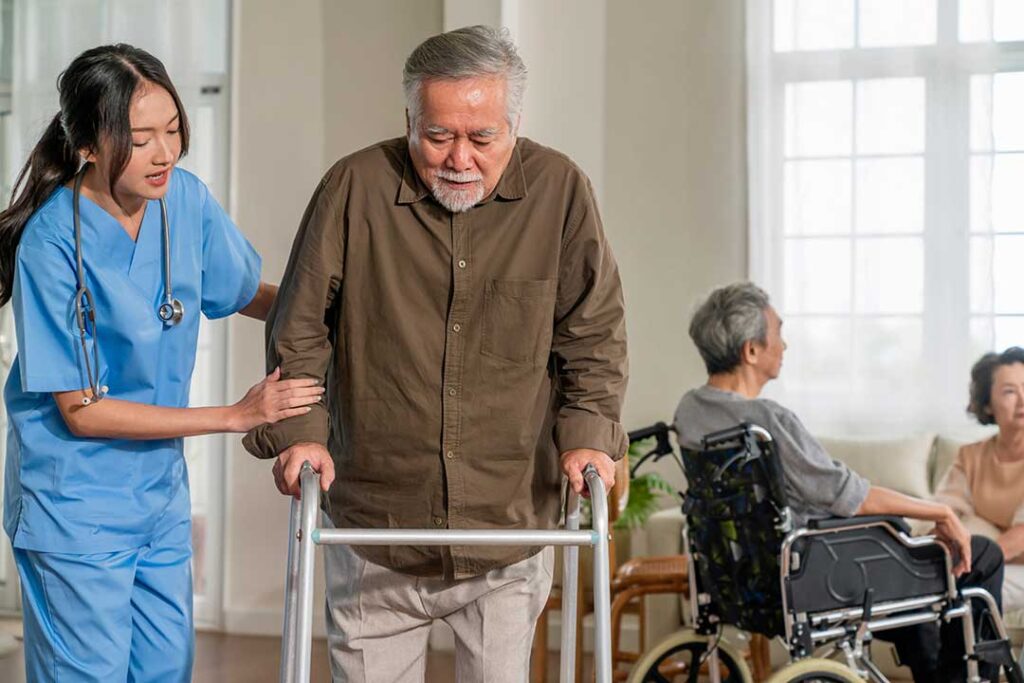
Fall prevention usually begins with the physical environment. Hallways, bathrooms, bedrooms, and outdoor paths should be designed so residents can move safely with or without mobility equipment.
Useful features include:
- Secure handrails along hallways, ramps, stairs, and exterior steps
- Nonskid flooring and stair surfaces
- Adequate lighting, including nighttime lighting
- Contrasting edges or visual markings on stairs
- Grab bars near toilets and bathing areas
- Walk-in or low-threshold showers
- Shower seating and handheld shower controls
- Clear pathways without loose rugs, cords, or unnecessary furniture
- Chairs and beds positioned at practical heights
Pennsylvania regulations specifically address handrails, railings, landings, stairs, ramps, and nonskid surfaces. They also require stair markings for people with vision impairments. ([pa.gov](https://www.pa.gov/content/dam/copapwp-pagov/en/dhs/documents/providers/clearances-and-licensing/documents/app-hsl/Assisted-Living-Residences-2800-Regulations.pdf?utm_source=openai))
A less obvious safety feature is staff awareness of changing mobility. A resident who walks independently in the morning may need more support after an illness, medication change, or poor night of sleep. Ask how staff document changes and update assistance plans.
What fire and emergency systems are normally present?
Fire safety should include both equipment and practiced procedures. A residence may have smoke detection, fire alarms, sprinkler systems, emergency lighting, fire-rated doors, illuminated exit signs, and clearly marked evacuation routes. These systems are only useful when inspected, maintained, and understood by staff.
Pennsylvania requires assisted living residences to have fire safety approval as part of the licensing process. State materials also identify supervised fire drills and fire-safety inspections as part of compliance activities. ([pa.gov](https://www.pa.gov/content/dam/copapwp-pagov/en/dhs/documents/licensing/bhsl-licensing/documents/Assisted_Living_Residences-2800_Regulations.pdf?utm_source=openai))
Ask these practical questions:
- How often are fire drills conducted?
- Are drills held during different shifts, including overnight?
- How are residents who use wheelchairs, walkers, or oxygen assisted?
- Where do residents go during an evacuation?
- What happens if elevators cannot be used?
- How are families notified after a serious emergency?
For households in Downingtown, seasonal conditions also deserve attention. Winter ice, snow, power outages, heavy rain, and summer heat can affect entrances, walkways, transportation, and indoor temperatures. A sound emergency plan should address backup power, heating and cooling, food, water, medications, and communication.
How are entrances and exits secured without unnecessarily restricting residents?
Security should protect residents while preserving dignity and freedom of movement. Common features may include controlled exterior doors, visitor sign-in procedures, door alarms, video monitoring in public areas, secure courtyards, and well-lit entrances.
Security measures should be explained clearly. Residents and families should understand:
- Which doors are locked and at what times
- How residents can exit independently
- How visitors are identified
- How staff respond to missing-person concerns
- Whether cameras are used and where they are located
- How privacy is protected in bedrooms and bathrooms
A locked dementia-care area may be appropriate for residents at risk of wandering, but it should not be assumed that every assisted living resident needs the same level of restriction. The arrangement should match the person’s assessed needs and care plan.
What personal emergency devices and communication systems matter?
Many residences provide pull cords, emergency buttons, wearable pendants, or two-way communication devices. These systems can allow a resident to request help after a fall, during sudden illness, or when assistance is needed in the bathroom.
The important question is not simply whether a device exists. Find out:
- Where the device is located
- Whether it can be used in the bathroom and outdoors
- How quickly staff are expected to respond
- What happens if the resident cannot press the button
- How often devices are tested
- Whether batteries are checked or replaced
- How staff document unanswered alerts
Some residents may not consistently remember to use an emergency button. Staff observation, scheduled checks, motion alerts, or other safeguards may be needed, depending on the individual’s condition and care plan.
How are medications, food, and health conditions managed safely?
Medication safety depends on accurate records, secure storage, correct timing, and communication about side effects. Residents and families can ask how medications are received, stored, administered, changed, and reviewed.
A safe medication process should include clear identification of each resident, documentation after administration, procedures for missed doses, and communication with prescribers or pharmacies when concerns arise. Medication changes should be shared with the resident and the appropriate family contact according to consent and privacy rules.
Food safety is another part of daily protection. Meals should account for allergies, swallowing difficulties, diabetes, special diets, and cultural or personal preferences. Staff should know how to respond if a resident coughs while eating, shows signs of dehydration, or refuses meals repeatedly.
What staffing and training features affect resident safety?
Building features cannot replace attentive staff. Pennsylvania assisted living requirements address direct-care staffing, staff qualifications, administrator responsibilities, training, and awake staff coverage. ([pa.gov](https://www.pa.gov/content/dam/copapwp-pagov/en/dhs/documents/licensing/bhsl-licensing/documents/Assisted_Living_Residences-2800_Regulations.pdf?utm_source=openai))
Families should ask how a residence handles:
- Overnight supervision
- Call-bell response
- Transfers and toileting assistance
- Falls and suspected injuries
- Abuse, neglect, or unexplained bruising
- Changes in memory, mood, or behavior
- Severe weather and evacuation
- Communication with family members
A community may meet minimum staffing rules while still having different staffing patterns by shift. Ask who is present overnight, who responds to emergencies, and whether staff assigned to a particular area are familiar with each resident’s needs.
What should residents look for during a visit?
A visit can reveal safety details that brochures do not. Notice whether hallways are clear, floors are dry, handrails are secure, lighting is adequate, and bathrooms appear accessible. Observe whether staff respond promptly and respectfully when residents ask for assistance.
Also look for signs of a safety-minded culture:
- Staff greet residents and know their names
- Emergency exits are accessible and clearly marked
- Wheelchairs and walkers are stored without blocking paths
- Outdoor walkways are maintained
- Residents are supervised appropriately during meals
- Incident procedures are explained without evasiveness
- Residents appear able to ask questions and express concerns
No residence can eliminate every risk. The more useful standard is whether risks are identified early, addressed consistently, and discussed honestly with residents and families. For local households, reviewing the residence’s license information, asking to see written emergency procedures, and comparing those plans with a loved one’s actual needs can provide a clearer picture of day-to-day safety than appearance alone. Pennsylvania’s Department of Human Services publishes assisted living licensing and compliance resources for this purpose. ([pa.gov](https://www.pa.gov/agencies/dhs/resources/licensing/pch-alr-licensing/pch-alr-compliance-guides?utm_source=openai))
