
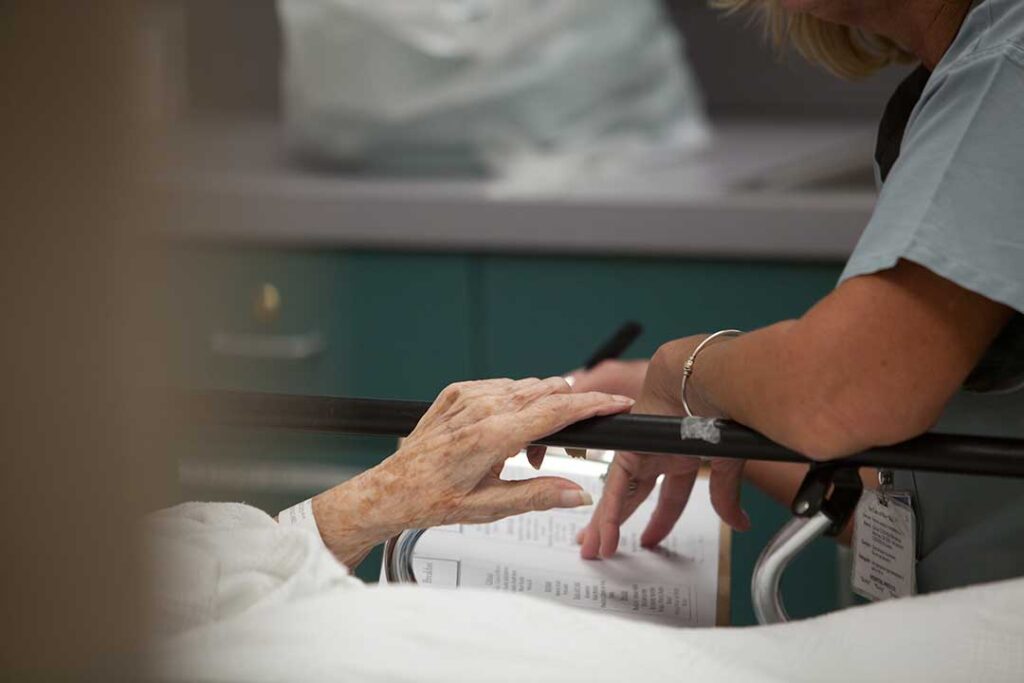
Living at home can cost less than assisted living when a person needs only occasional help. Once support becomes frequent, however, the comparison changes. In Pennsylvania, 44 hours per week of in-home aide care has recently approached the median cost of assisted living, even before adding housing expenses, meals, transportation, home maintenance, or emergency support.
The right choice depends less on the monthly price alone and more on the amount of help needed, how predictable that help must be, and whether the home can remain safe and manageable.
What is the basic cost difference?
The most useful comparison begins with similar care levels rather than with a simple rent-versus-fee calculation.
A Pennsylvania cost survey reported in March 2025 listed these annual median figures:
- Home health aide services: $77,792 per year, or about $6,483 per month
- Assisted living: $70,800 per year, or about $5,900 per month
The home-care figure is based on a substantial schedule of support, generally 44 hours per week. It does not represent a few weekly visits. The assisted living figure generally includes a residence, meals, routine activities, building maintenance, and some personal-care support. Actual prices vary by care needs, apartment type, location, and services included. ([dickinsonlaw.psu.edu](https://dickinsonlaw.psu.edu/assets/uploads/documents/Basics-Options-Senior-Living-Pennsylvania-202_Katherine-Pearson.pdf?utm_source=openai))
These figures should be treated as planning benchmarks, not quotes for a particular household. Costs in and around Downingtown can differ from statewide medians.
When is living at home usually less expensive?
Staying at home is often financially favorable when the person is mostly independent and needs limited, scheduled assistance.
For example, a household may pay for:
- Several hours of help each week with bathing, dressing, laundry, or meal preparation
- Occasional transportation
- A medical alert system
- Lawn care, snow removal, housekeeping, or grocery delivery
- Modifications such as grab bars, improved lighting, or a stair rail
At this stage, the household is paying only for services being used. A person who needs eight hours of paid help each week is in a very different financial position from someone who needs care every morning, afternoon, and evening.
Home care can also work well when a family member is available to provide reliable support. That contribution should still be recognized as a cost in planning. Lost work time, travel, fuel, missed appointments, and caregiver exhaustion may not appear on a bill, but they affect the household’s finances and stability.
When can assisted living become more cost-effective?
Assisted living may become financially competitive when help is needed every day or when several types of support are required at once.
A monthly assisted living charge may cover some combination of:
- Housing and utilities
- Meals and common areas
- Routine housekeeping and laundry
- Scheduled activities
- Transportation options
- Staff availability throughout the day and night
- Assistance with activities of daily living
At home, each service may be arranged separately. A person could need an aide for personal care, a housekeeper, meal support, transportation, overnight supervision, and someone to respond when a problem occurs. Those separate expenses can exceed the cost of a shared care setting.
Assisted living does not automatically provide unlimited or one-to-one care. Additional charges may apply for medication assistance, incontinence care, transfers, higher levels of supervision, or memory-related needs. A fair comparison requires reviewing the base rate and every likely additional fee.
Which home expenses are easy to overlook?
The cost of living at home is more than the mortgage or rent. A realistic budget should include expenses that may increase as support needs grow.
Common overlooked items include:
- Property taxes, insurance, utilities, and repairs
- Heating and cooling costs during Pennsylvania’s cold winters and hot, humid summers
- Snow and ice removal, landscaping, and exterior maintenance
- Home modifications or a stair lift
- Paid transportation to medical appointments and errands
- Grocery delivery or prepared meals
- Emergency response technology
- Family members’ unpaid time and travel
- Temporary care when the usual caregiver is sick or away
A home with several floors, narrow hallways, steep steps, or a distant bedroom may require expensive changes before it can safely support aging in place. A single-level home may be easier to manage, but safety depends on the individual’s mobility, judgment, vision, and medical condition.
Does Medicare pay for either option?
Medicare generally does not pay for ongoing custodial care simply because a person needs help with bathing, dressing, toileting, meals, or supervision. Medicare may cover certain part-time or intermittent home health services when eligibility requirements are met, including a qualifying medical need and homebound status. It does not cover 24-hour home care or personal care when that is the only service needed. ([medicare.gov](https://www.medicare.gov/coverage/home-health-services?utm_source=openai))

Assisted living room, board, and routine personal care are usually paid privately. Possible sources of funds may include retirement income, savings, home-sale proceeds, long-term care insurance, veterans benefits when applicable, or assistance programs with specific eligibility rules.
Pennsylvania’s Medical Assistance rules are primarily associated with nursing facility and other qualifying long-term services. Eligibility depends on financial circumstances and medical need, and the rules can change. The Pennsylvania Department of Human Services describes income and medical-need requirements for long-term care assistance, so families should not assume that Medicaid will pay an assisted living bill. ([pa.gov](https://www.pa.gov/agencies/dhs/resources/aging-physical-disabilities/medicaid-payment-long-term-care?utm_source=openai))
How should a household compare the two options?
A useful comparison uses the same time period and the same care assumptions.
Create two monthly budgets:
Living at home
- Housing costs
- Utilities and maintenance
- Food
- Paid care by hours and time of day
- Transportation
- Safety equipment and home modifications
- Family caregiving time
- Backup coverage for evenings, weekends, vacations, and emergencies
Assisted living
- Base monthly fee
- Care-level charges
- Medication management
- Incontinence or transfer assistance
- Transportation
- Personal supplies
- Internet, cable, or other optional services
- Move-in, community, or one-time fees
- Expected annual increases
Then test what happens if care needs rise. A plan that works with eight weekly hours of help may no longer work at 20 hours. A plan dependent on one family caregiver may become unstable after an illness, fall, or change in work schedule.
What is the most important question besides price?
The key question is whether the arrangement can provide dependable care safely.
Living at home may be appropriate when the person can summon help, use essential rooms safely, manage medications with support, and remain protected during emergencies. Assisted living may be more practical when there are repeated falls, nighttime confusion, missed medications, wandering, unsafe cooking, isolation, or a caregiver who can no longer provide consistent help.
For residents and families in Downingtown, seasonal weather can make transportation, outdoor maintenance, and emergency planning especially relevant. A cost comparison should include how the household will manage during snow, ice, power interruptions, heat, and periods when travel is difficult.
The least expensive arrangement on paper is not always the least expensive over time. A sound decision compares total household costs, caregiver capacity, safety, and the likelihood that care needs will increase.
